Programs for young people

Young people are often navigating pressure, change, identity, relationships, substance use and real-world choices. 3rd Mind programs create structured, creative and culturally respectful spaces where these topics can be explored practically and without shame.
Practice approach

Programs are designed with reference to recognised practice frameworks, including trauma-informed practice, harm minimisation, youth-centred practice, strengths-based practice, culturally responsive practice, psychoeducation, creative therapeutic education and experiential learning.

A key part of the approach is facilitation informed by direct lived experience, including understanding of alcohol and other drug use, incarceration and institutionalisation.

This means the work is not spoken about from a distance. It is grounded in professional boundaries and an understanding of the real conditions young people may be navigating.

Young people are met where they are, without shame, judgement or pressure. Sensitive topics are approached with structure and attention to participant safety, emotional wellbeing, cultural respect, group readiness, appropriate scope of practice and clear support pathways.

Tailored design and youth voice

Programs are not one-size-fits-all. They can be tailored to the group, setting, organisation and topics needing exploration.

Before designing or adapting a program, we aim to capture the voices of the young people we are working with. This helps ensure the content is relevant, accessible and connected to their current needs, lived experience and real-world context.

Program themes can be adapted to explore:

  • emotions
  • relationships
  • peer influence
  • substance use
  • decision-making
  • conflict
  • identity
  • safety planning
  • risk reduction
  • future goals
  • community connection

Delivery and outcomes

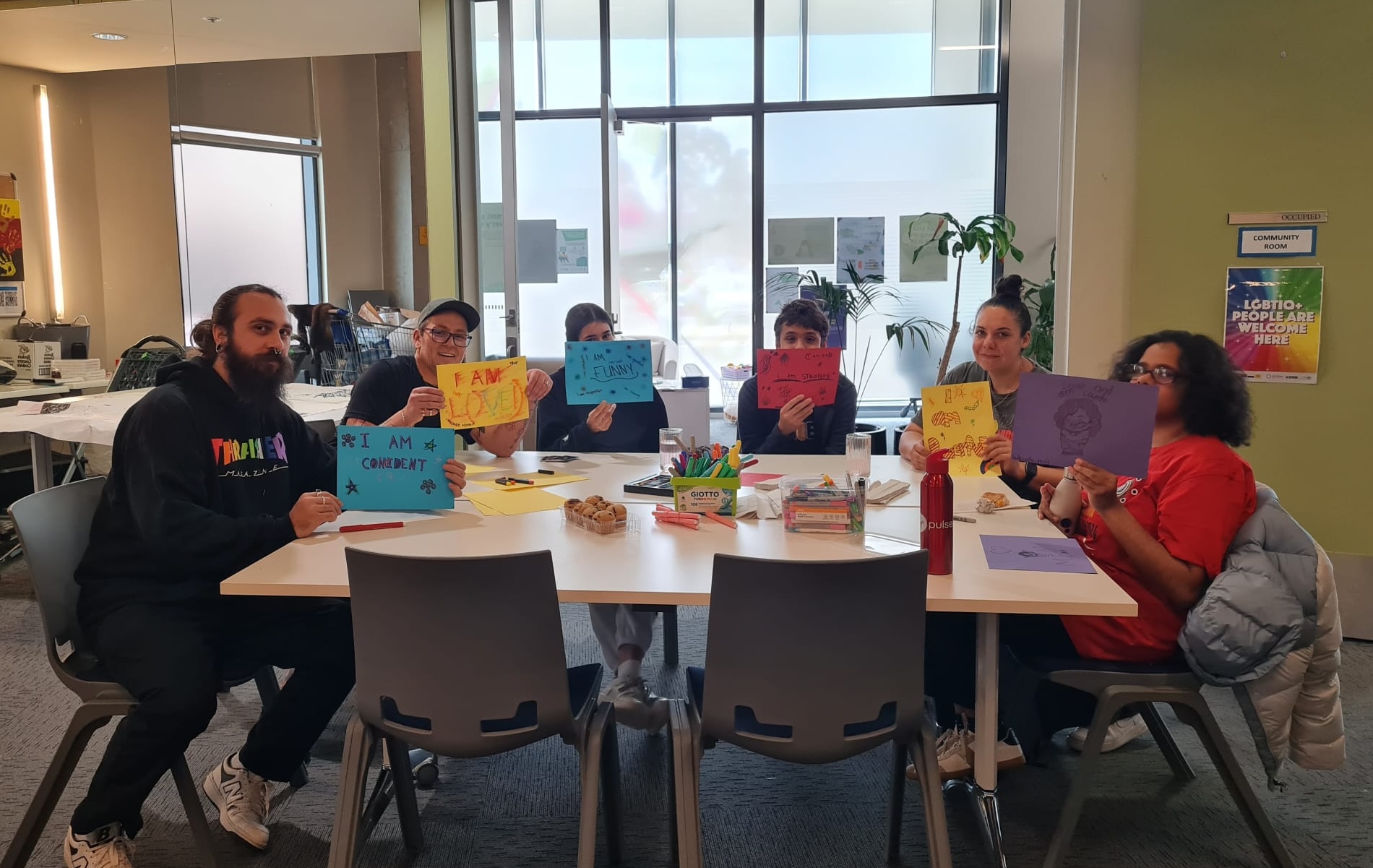
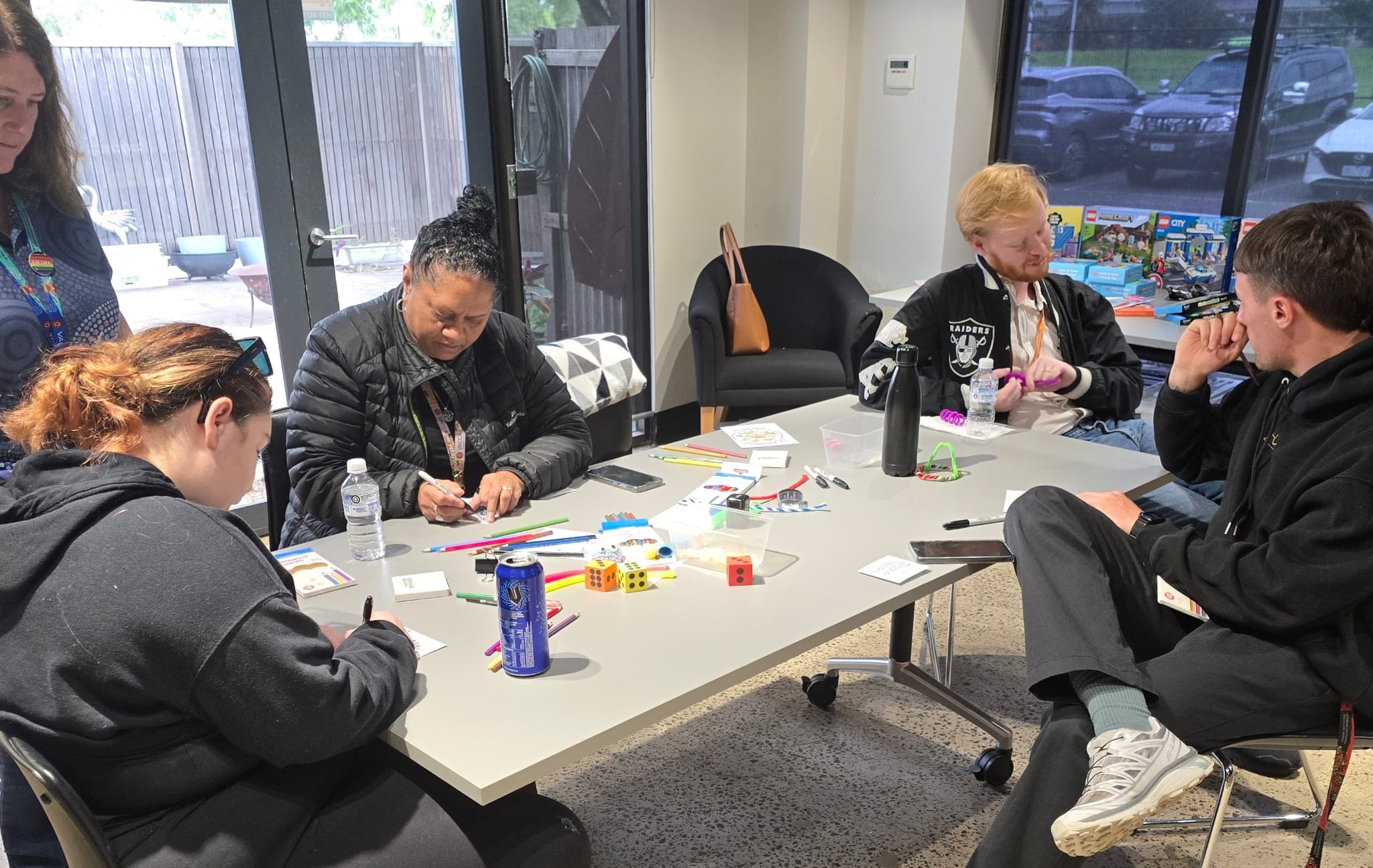
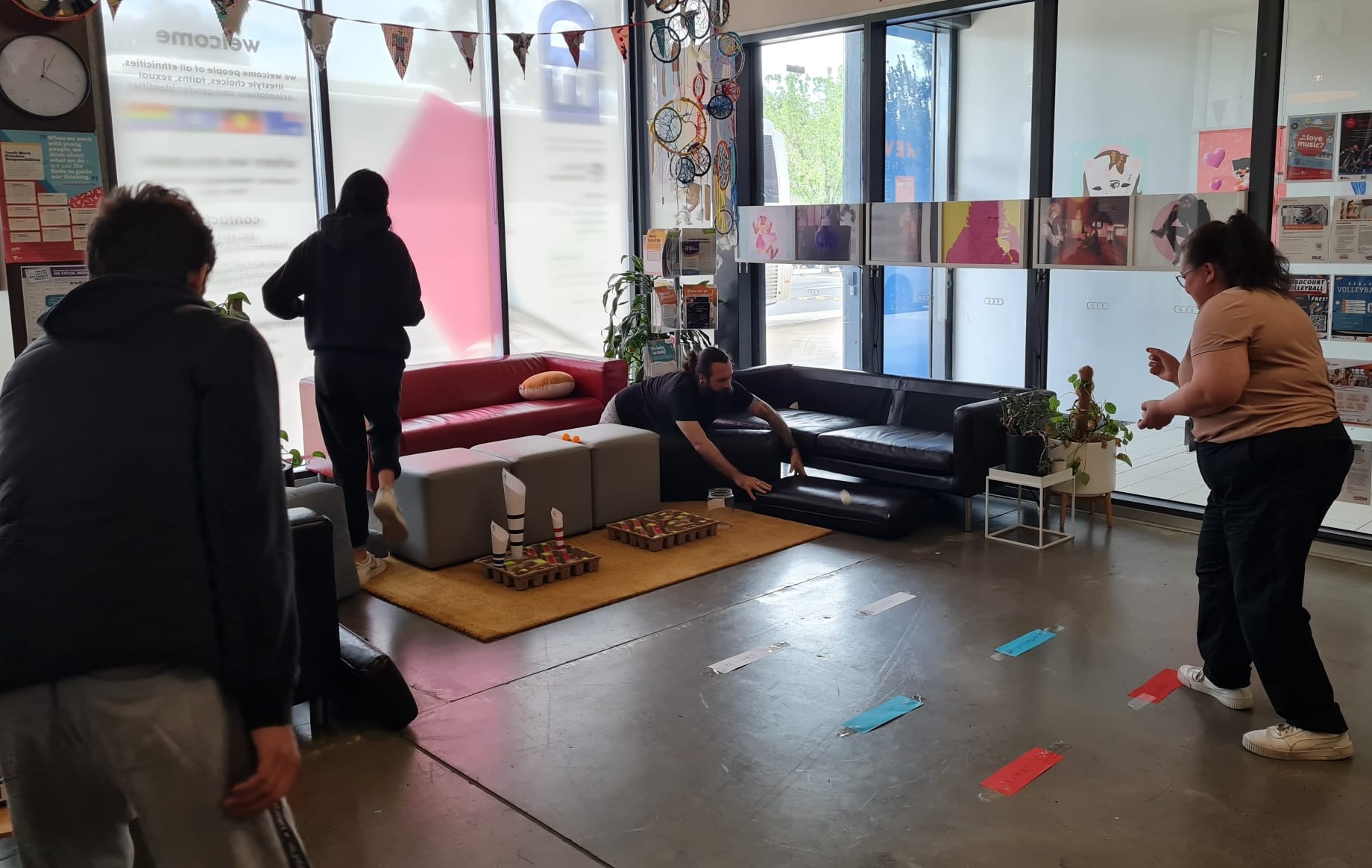
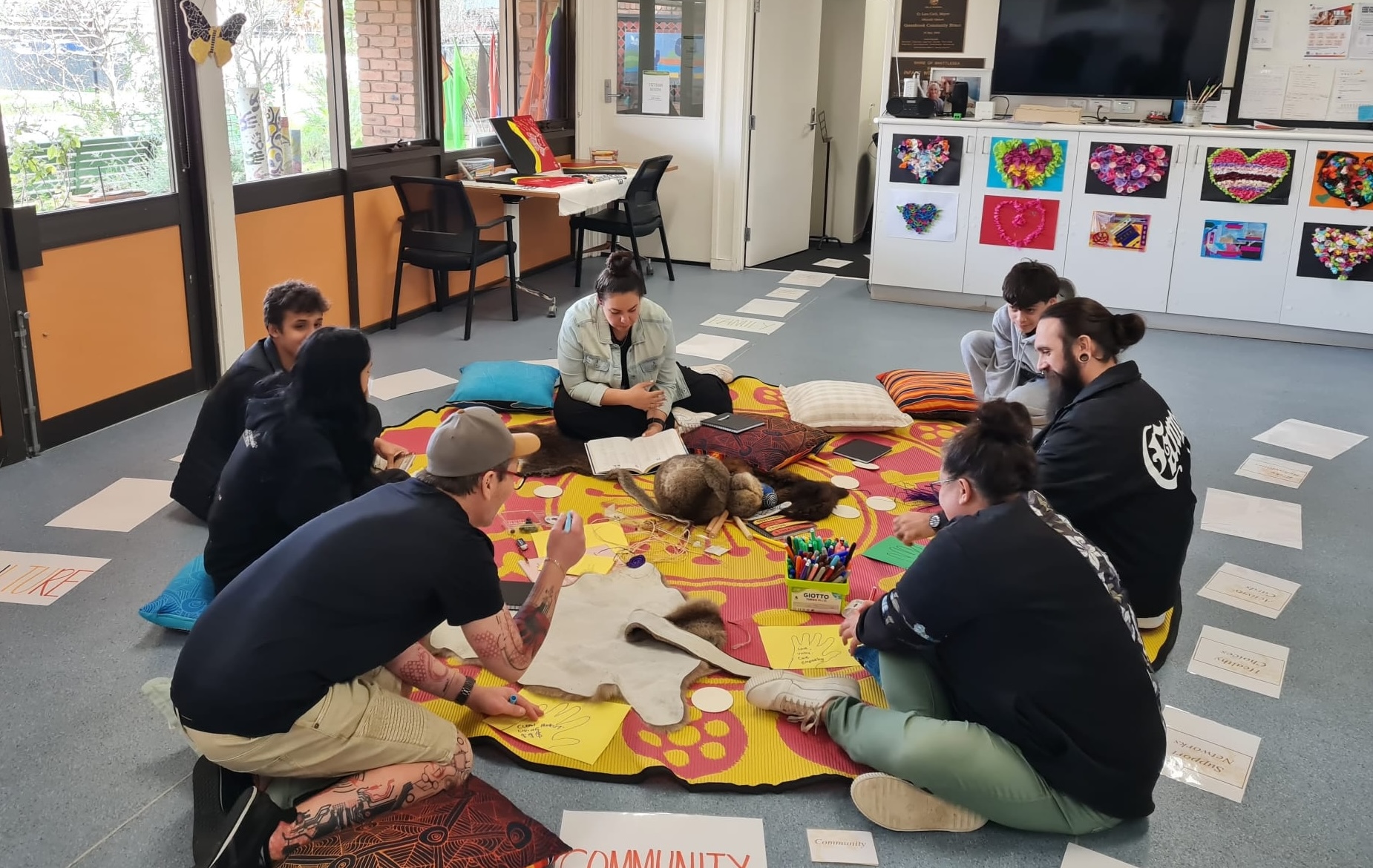
Delivery may include creative tasks, discussion cards, reflective exercises, group activities, writing, art-based processes, psychoeducation and interactive scenarios based on real-world situations.

These activities help young people explore everyday pressures, recognise situations where extra support or planning may be needed and practise safer responses in a supported environment.

Youth programs may assist young people to:

  • build emotional awareness and self-understanding
  • recognise personal patterns, stress responses and decision-making moments
  • explore safer decision-making and protective strategies
  • develop practical strategies for preparation and support
  • strengthen confidence, communication and self-worth
  • practise grounding and emotional regulation strategies
  • connect with culture, community, identity and personal values
  • reflect on goals, strengths and future direction
  • prepare for greater independence and community participation

Where programs include substance use, relapse prevention or behaviour-change work, the focus is on awareness, accountability, reducing risk and strengthening protective factors. Language is kept non-shaming and person-centred, recognising that change is rarely straightforward and that people may need different responses at different times.

Data and organisational value

Participant data can be collected before, during and after sessions to support reflection, program improvement and organisational reporting.

This may include changes in:

  • confidence
  • knowledge
  • emotional awareness
  • engagement
  • participant feedback

Data collection is designed to be considered, proportionate and appropriate to the setting. This process helps organisations to understand what young people are taking from the program, what may need to be strengthened and how the work can contribute to future program planning, funding conversations and sustainability.

Experience

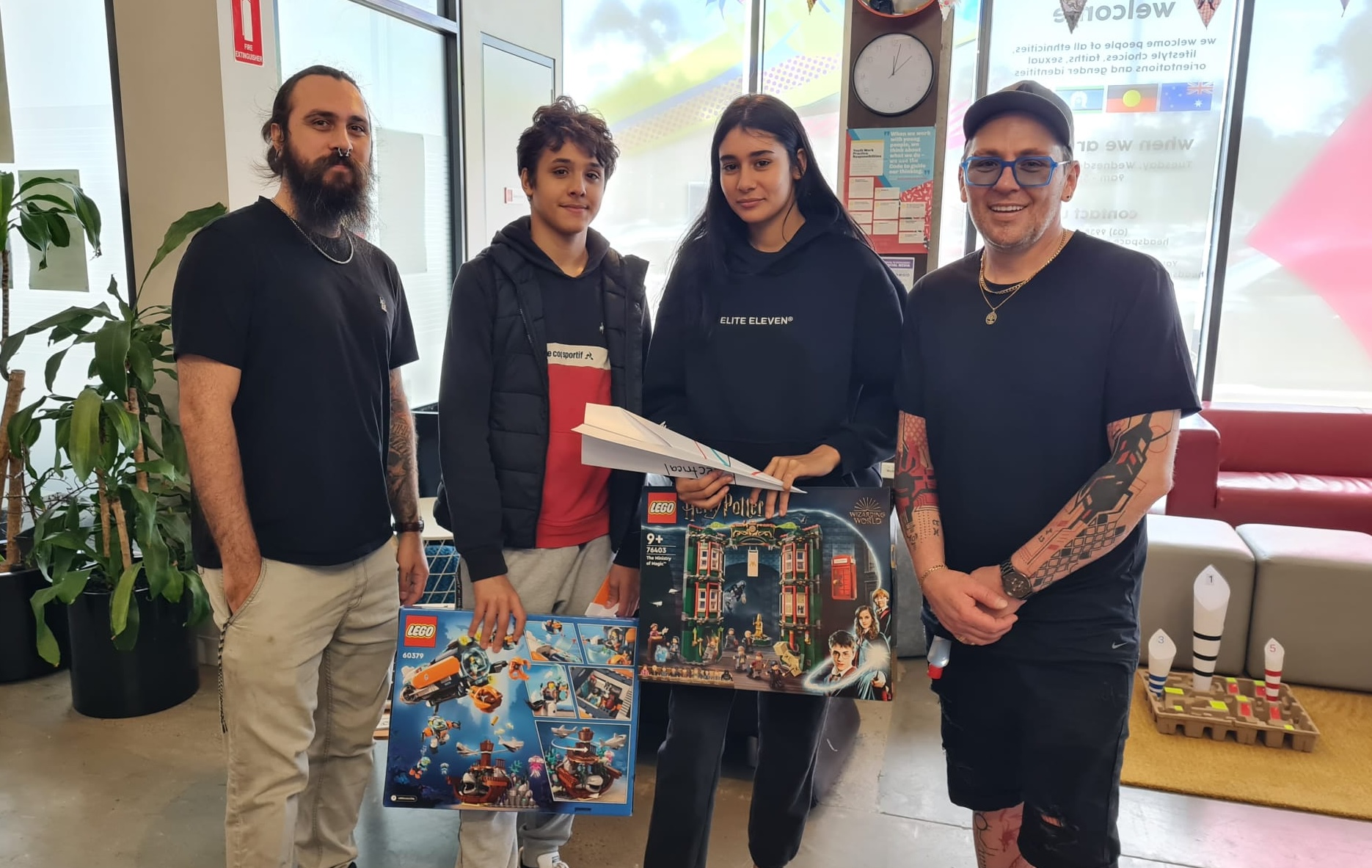
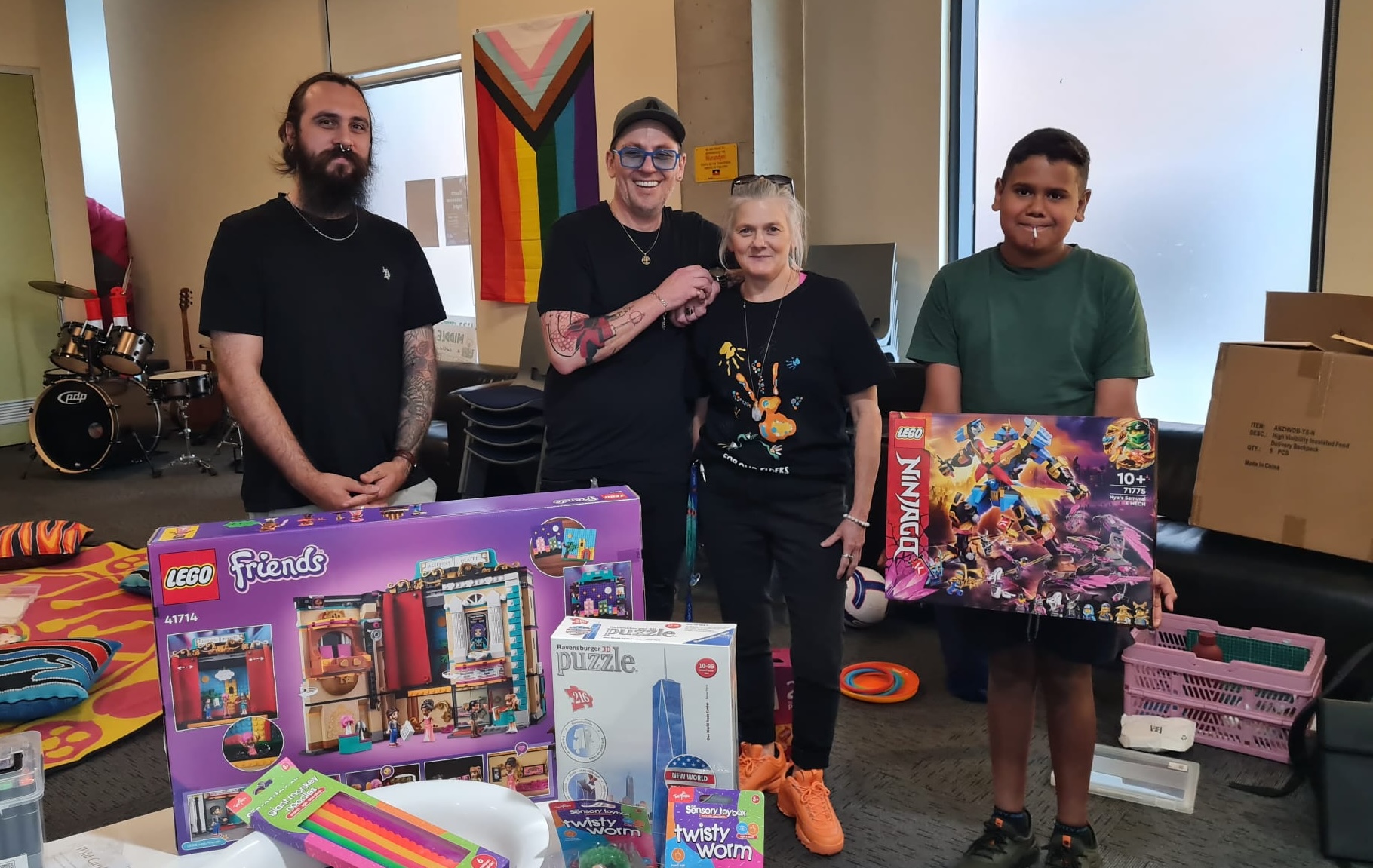
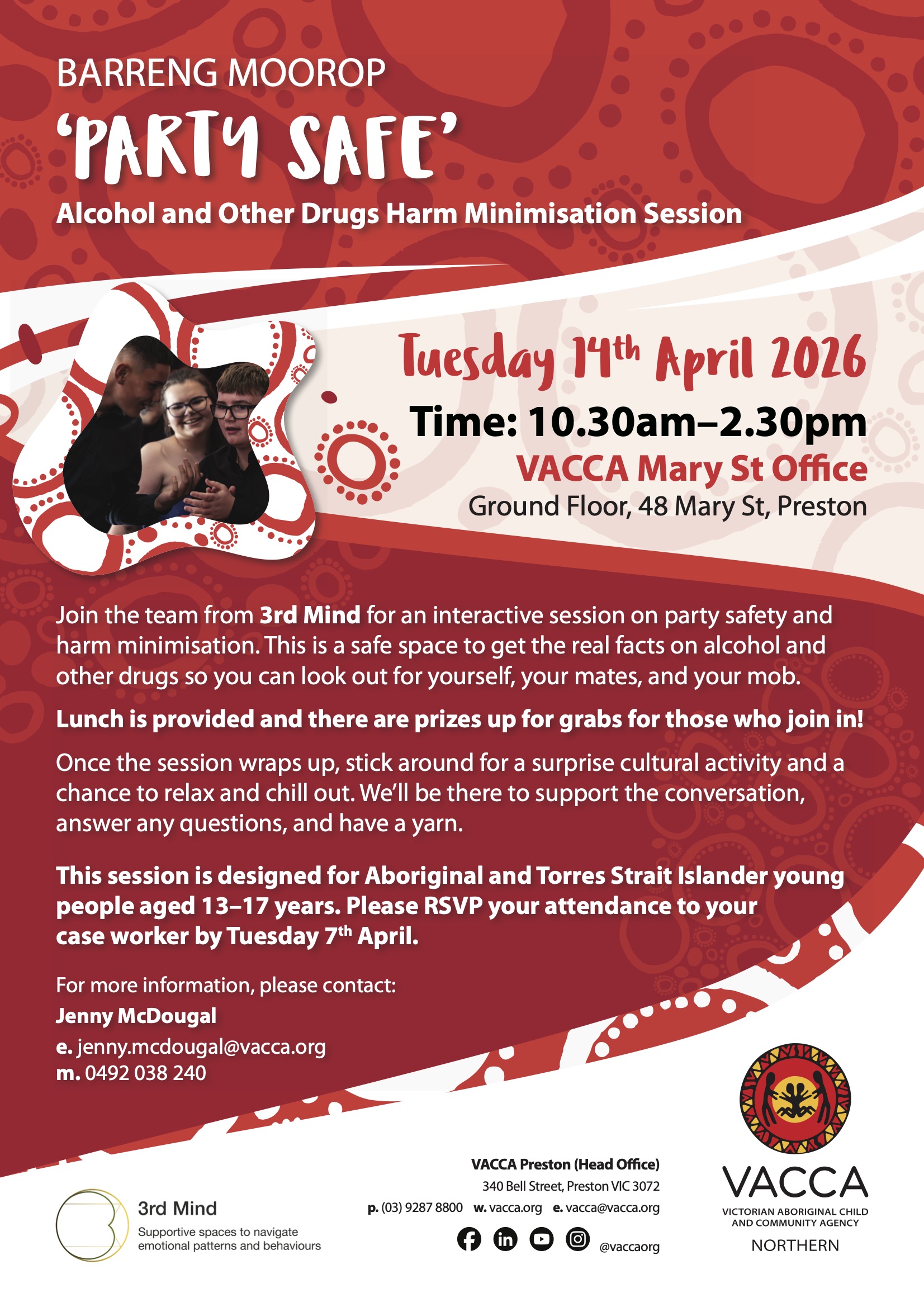
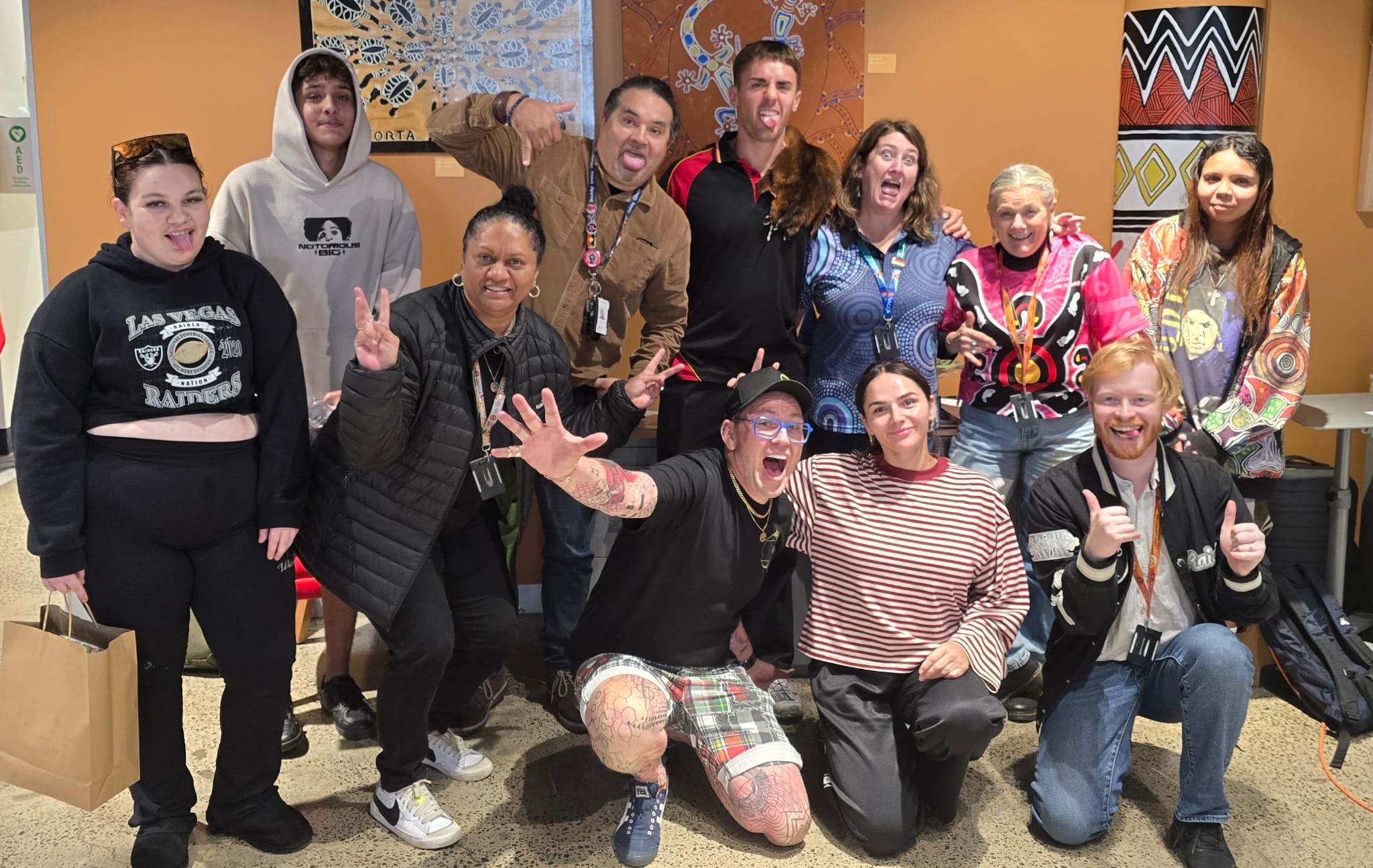
3rd Mind has delivered youth-focused programs in partnership with community organisations and local services, including a four-week program with the City of Whittlesea and VACCA’s Navigator program, as well as a recent two-hour Party Safe workshop delivered with VACCA’s Barreng Moorop program.

The facilitator brings experience delivering programs with young people across diversion, NDIS and school-based settings, alongside broader AOD and therapeutic program delivery.

This broader experience includes AOD programs delivered in justice and recovery settings such as DPFC, Windana’s therapeutic communities, Galiamble Men’s Recovery Centre and Winja Ulupna Women’s Recovery Centre.

Evidence and practice foundations

Our programs draw on recognised practice frameworks and educational approaches, including trauma-informed practice, harm minimisation, youth participation, strengths-based practice, culturally responsive practice, psychoeducation, experiential learning, and creative therapeutic education.

These foundations inform how programs are designed and facilitated, contributing to a considered and structured approach. While single sessions or short-term programs are not presented as stand-alone solutions for long-term behavioural change, they can encourage reflection, engagement, practical awareness and connection to further supports.

Reflections

Reach out

If you would like to discuss suitability, request further information, or book a complimentary consultation, please get in touch.