NDIS therapeutic support

3rd Mind provides NDIS supports for people living with disabilities and people facing challenges related to mental wellbeing. We deliver structured, person-led work that strengthens emotional awareness, practical skills, and day-to-day independence. Supports are shaped around goals, preferences, access needs, and communication style.
What we do

3rd Mind delivers structured individual and small group therapeutic supports aligned with NDIS capacity-building outcomes. Services may integrate creative arts therapy, psychoeducation, experiential work, and counselling depending on participant goals.

Creative arts therapy

We provide art therapy delivered within professional ethics and practice expectations relevant to creative arts therapy.

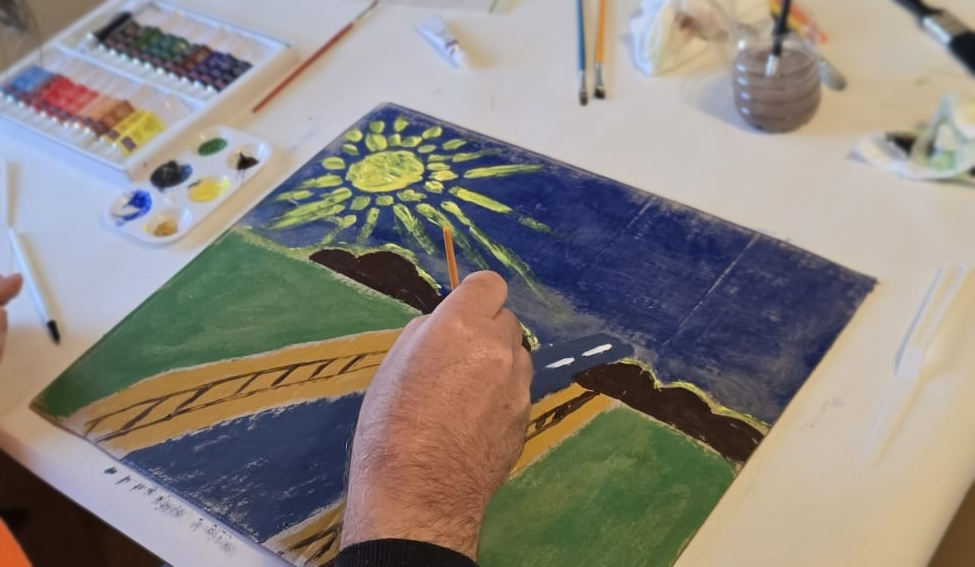
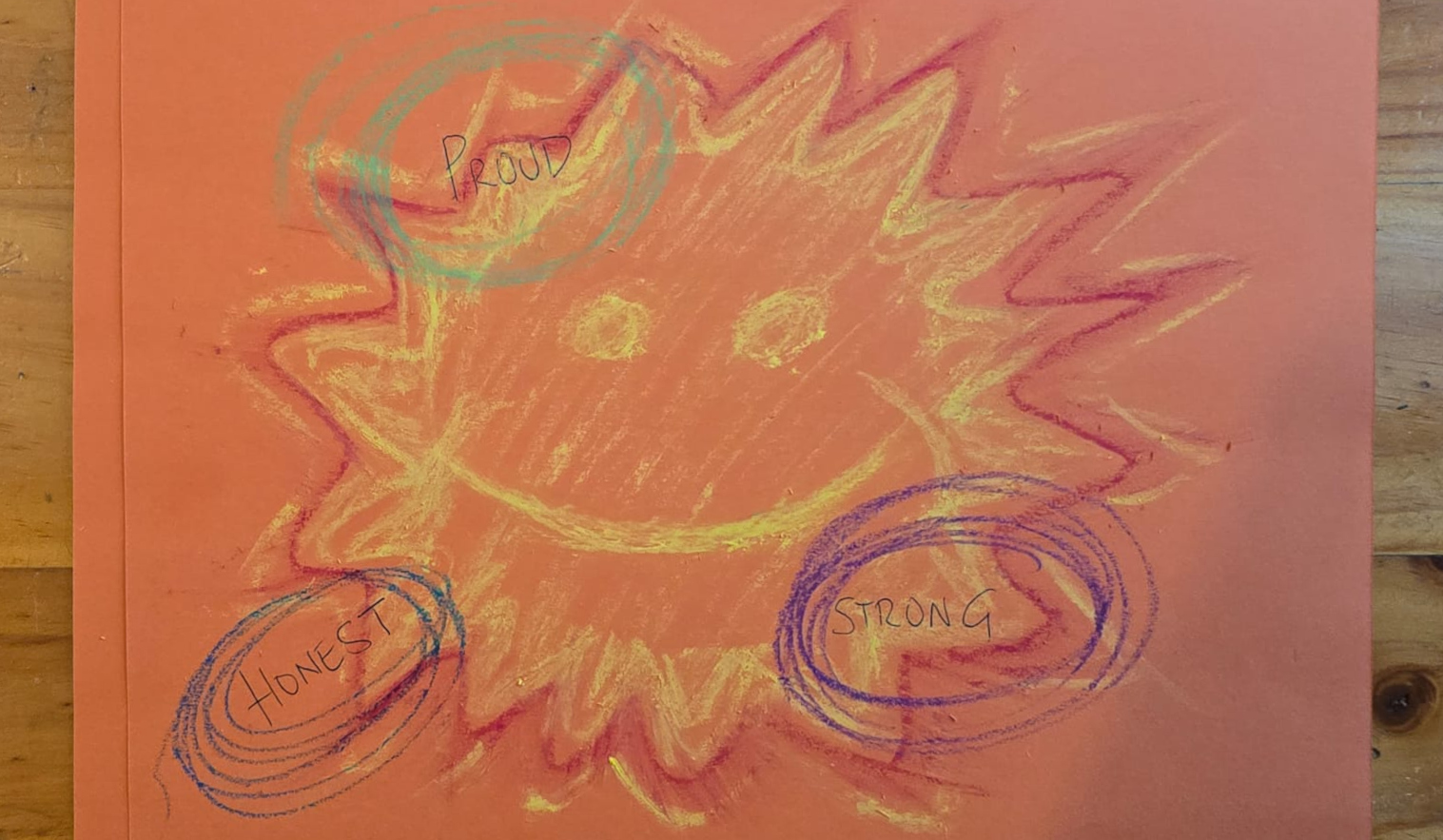
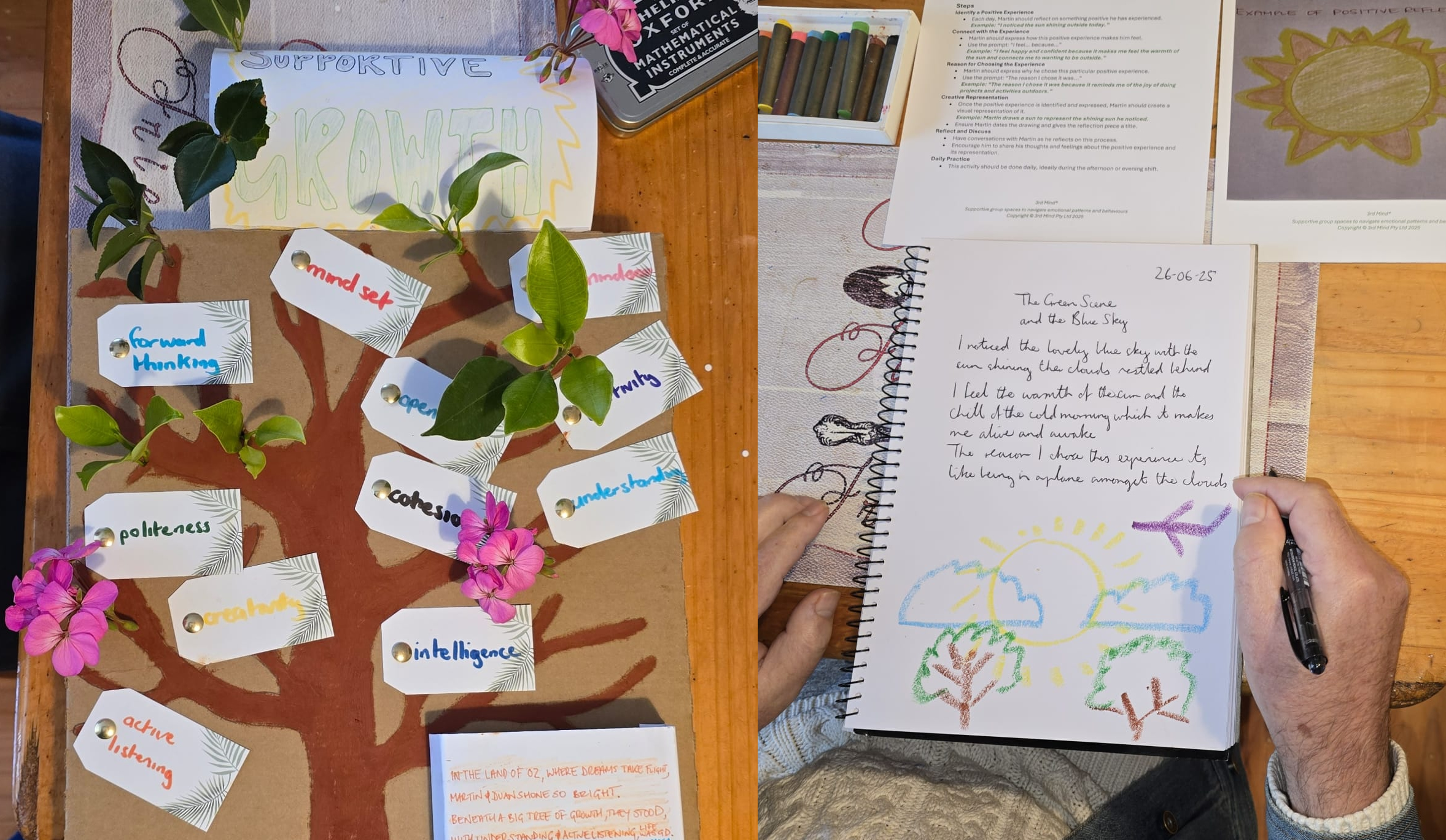
Sessions use art-making as a therapeutic process to support emotional expression, self-understanding, and meaning-making. The focus is on process rather than artistic skill, with a paced approach that supports safety, choice, and engagement.

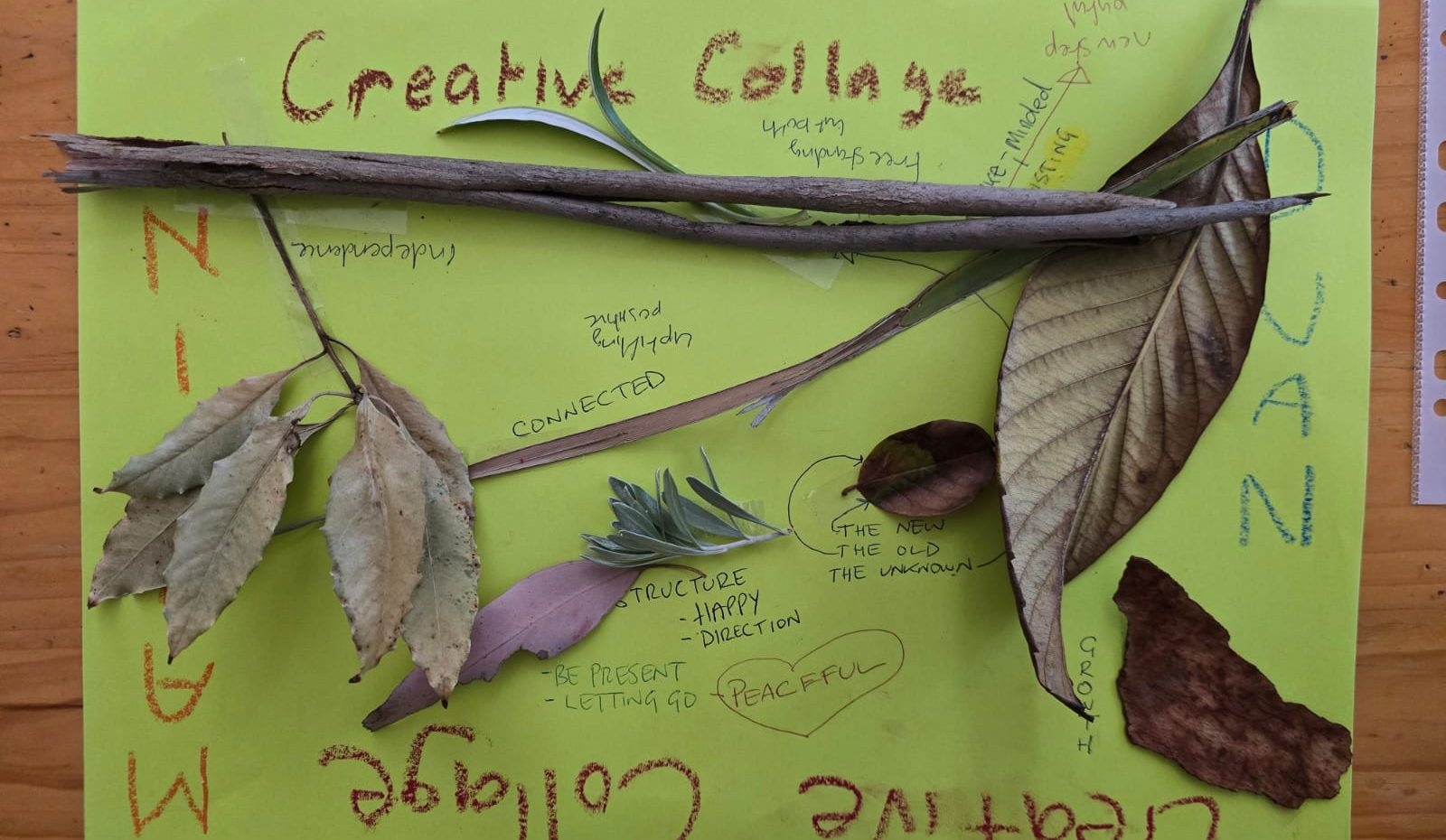
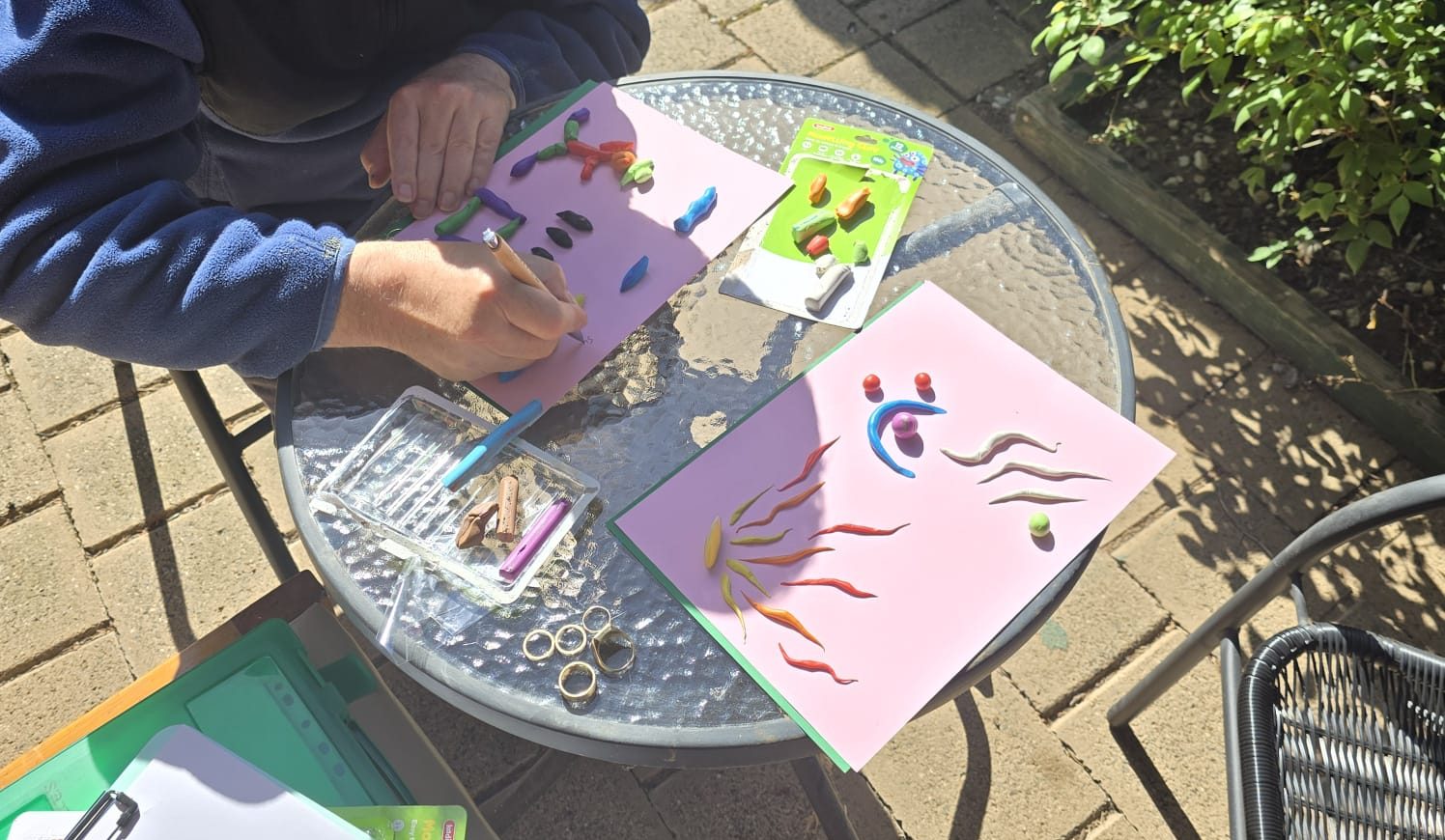
Materials are selected to suit needs and may include drawing, collage, sculpture using clay or plasticine, simple craft processes, and, where appropriate, sound, rhythm, music, or movement-based activities supported by reflective discussion using a multimodal approach.

This work is delivered within ANZACATA-aligned ethics and standards (ANZACATA Ethics).

Counselling with psychoeducation

We provide counselling that supports people to explore emotions, identify patterns, and build coping strategies that translate into daily life.

Psychoeducation is integrated within counselling to strengthen understanding of stress responses, communication, boundaries, and practical regulation skills. Where helpful, sessions may include structured reflection, skills rehearsal, and simple planning systems that support follow-through between sessions.

Practice is guided by relevant ethical standards when delivered under a counselling framework (PACFA Code of Ethics).

Shared reflections

How we work with participants

Our work is planned and consistent, while remaining flexible to capacity on the day. Sessions are delivered with clear intent and reviewed over time so supports remain relevant, useful, and aligned with goals. We prioritise rights, privacy, dignity, and supported decision-making (NDIS Practice Standards). We take care to work in ways that build autonomy. A key part of this approach is supporting skills to transfer beyond the session.

Where appropriate, we use simple visual aids and tailored resources that help someone practise strategies between appointments and communicate what they are working on with their support network. These tools are designed to strengthen independence by making the approach clear and practical for the person and their care team.

Collaboration and team alignment

With consent, we coordinate with relevant people in the support network to keep the work consistent. This may include sharing session themes, agreed strategies, and practical supports that others can reinforce. The goal is to strengthen continuity of care within the broader team and to support stable, sustainable routines.

Support structure and reporting

Sessions are delivered in line with the service agreement and aligned with plan goals. Case notes are maintained to record the session focus, progress, and relevant observations. Progress reports can be provided mid-way and at the end of the agreement, summarising what has been worked on, what has changed, and what is recommended next.

Getting started

We offer a complimentary consultation to explore goals and the most suitable type of support. If it aligns, we gather relevant background information and agree on a clear focus for the work. Early sessions establish the approach in a way that maintains choice and control and supports informed consent, consistent with supported decision-making principles (Supported Decision-Making).

Pricing guide

The figures below reflect NDIS price limits and travel rules, and final pricing and travel arrangements are confirmed in the service agreement.

Art Therapy line item and price limit
Support item 15_610_0128_1_3 (Assessment Recommendation Therapy or Training – Art Therapist). The price limit is $156.16 per hour. (aussiesmart.com.au)

Counselling line item and price limit
Support item 15_043_0128_1_3 (Assessment Recommendation Therapy or Training – Counsellor). The price limit is $156.16 per hour. (aussiesmart.com.au)

Provider travel time for therapy supports
From 1 July 2025, therapy providers can claim half of the relevant price limit for time spent travelling, up to the usual time limit caps depending on location. (ndis.gov.au)
Based on the price limits above, the travel-time rate is $78.08 per hour, calculated as 50% of $156.16.

Provider travel non-labour costs line item
Support item 15_799_0128_1_3 (Provider travel – non-labour costs) is used to claim agreed travel expenses, with the unit priced as $1 per each claimed unit (as shown in NDIS price guide tools). (peopleplanmanager.com.au)
NDIS pricing materials also use worked examples consistent with claiming vehicle running costs on a per-kilometre basis (example shown as $0.78/km), where agreed in the service agreement. (ndis.gov.au)

Service area

We provide services across metropolitan Melbourne and selected regional centres. Travel across Victoria may be available by request.

Reach out

If you would like to discuss suitability, request further information, or book a complimentary consultation, please get in touch.